
Srishti
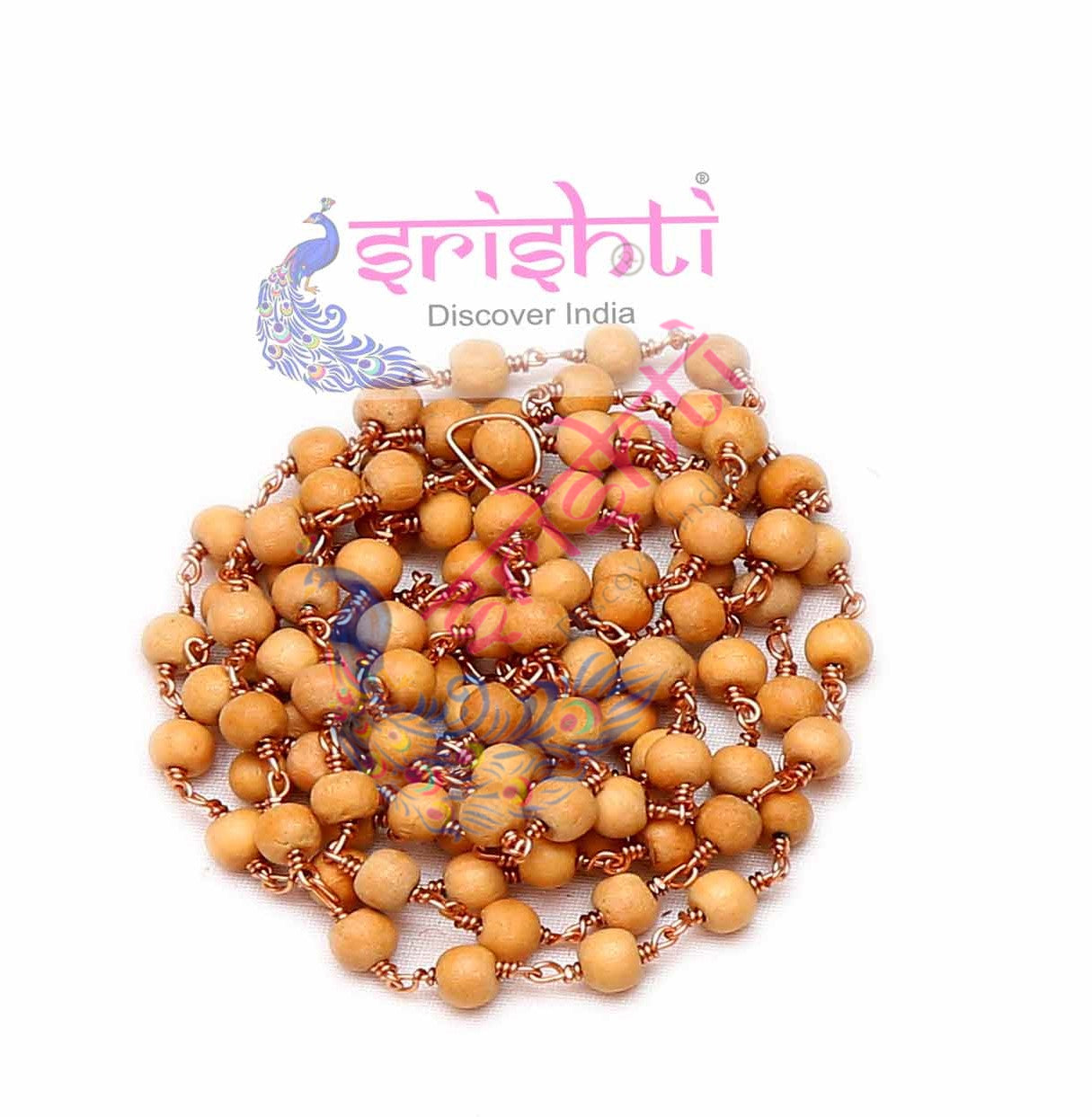
Tulsi Mala-108 Beads
SKU: ASARC007
Regular price
$5.99 AUD
Regular price
Sale price
$5.99 AUD
Unit price
per
GST included.
Shipping calculated at checkout.
Couldn't load pickup availability
Product Name :Tulsi Mala-108 Beads
Material:
Height : 24 Inches
A Tulsi mala is a sacred necklace or prayer bead string made from the wood of the Tulsi (Holy Basil) plant. It holds special significance in Hinduism, especially among devotees of Lord Vishnu and Lord Krishna. It is commonly used for mantra chanting (japa) and as a symbol of devotion. There are two common types: Japa Mala: Usually has 108 beads and is used for chanting mantras such as "Hare Krishna" or "Om Namo Bhagavate Vasudevaya." Kanthi Mala: Worn around the neck as a sign of devotion and spiritual commitment. According to Hindu tradition, wearing a Tulsi mala is believed to: Deepen devotion to Lord Vishnu/Krishna. Promote mental peace and focus during prayer. Symbolize purity and spiritual discipline. These are matters of religious belief rather than scientifically established effects. Many traditions also recommend treating the mala respectfully, keeping it clean, and using it primarily for prayer or spiritual practice
Material:
Height : 24 Inches
A Tulsi mala is a sacred necklace or prayer bead string made from the wood of the Tulsi (Holy Basil) plant. It holds special significance in Hinduism, especially among devotees of Lord Vishnu and Lord Krishna. It is commonly used for mantra chanting (japa) and as a symbol of devotion. There are two common types: Japa Mala: Usually has 108 beads and is used for chanting mantras such as "Hare Krishna" or "Om Namo Bhagavate Vasudevaya." Kanthi Mala: Worn around the neck as a sign of devotion and spiritual commitment. According to Hindu tradition, wearing a Tulsi mala is believed to: Deepen devotion to Lord Vishnu/Krishna. Promote mental peace and focus during prayer. Symbolize purity and spiritual discipline. These are matters of religious belief rather than scientifically established effects. Many traditions also recommend treating the mala respectfully, keeping it clean, and using it primarily for prayer or spiritual practice